

For several years, my tenor sax and I have had what can only be described as a polite but strained relationship. I bought it second‑hand during the pandemic, a time when many people baked sourdough or learned Italian, while I apparently chose to adopt a tenor saxophone that had barely been played. In hindsight, this may have been a warning sign.
I have since learned that a saxophone that has never been played is a little like a dog that has never been walked – technically fine, but likely to cause trouble! Having played alto for several years, I assumed the transition to tenor would be smooth. After all, it is just a bigger version of the same thing, is it not? A familiar instrument, but with a deeper voice and a slightly more intimidating presence. How naïve I was I? (Read more about changing from Alto to Tenor here)
D the Menace
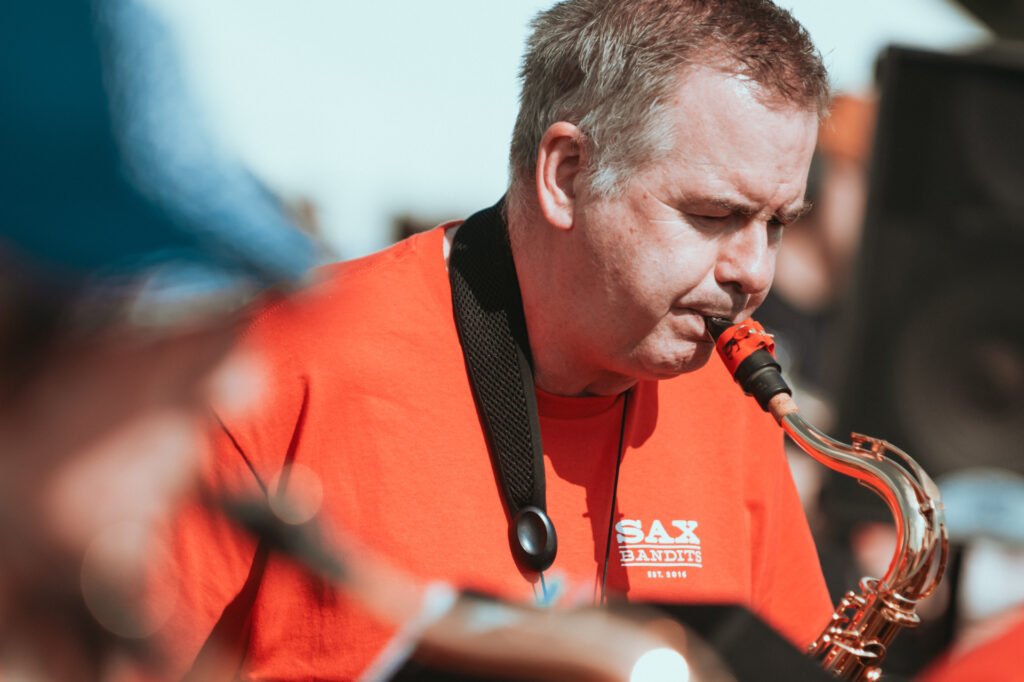
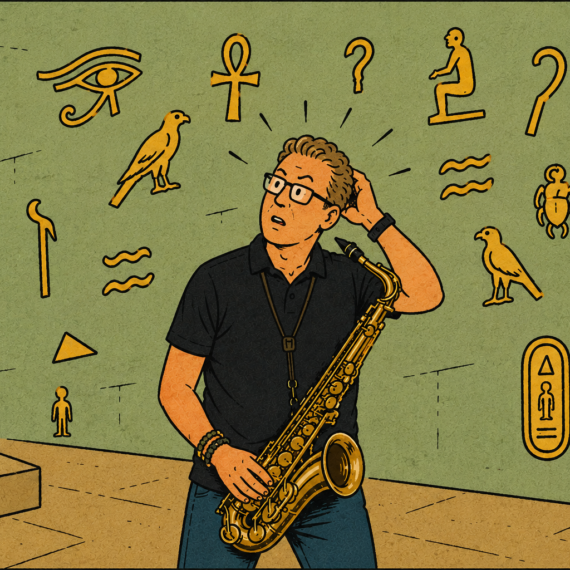
From the very beginning, middle D became my nemesis. Every practice session featured at least one unexpected squeak, usually delivered at full volume. Internet research assured me that middle D is a “fussy note”. More experienced players confirmed this, although they did so with the sort of raised eyebrow that implied the real issue might be the workman rather than the tool.
I persevered. I practised. I blamed the sax. I blamed myself. I blamed the neighbours’ dogs, who began howling whenever I attempted Careless Whisper — a tune specifically engineered to expose weaknesses in tenor sax players and their middle D. I changed the reed, I changed the ligature, I changed the mouthpiece but nothing helped. In an effort to address my own technique, I relaxed my embouchure. Then I tightened it. Then I relaxed it again. Eventually I found myself adjusting embouchure for every note, which some online sources claimed was normal, but which more proficient players described as “a creative interpretation of technique”.
A Turning Point
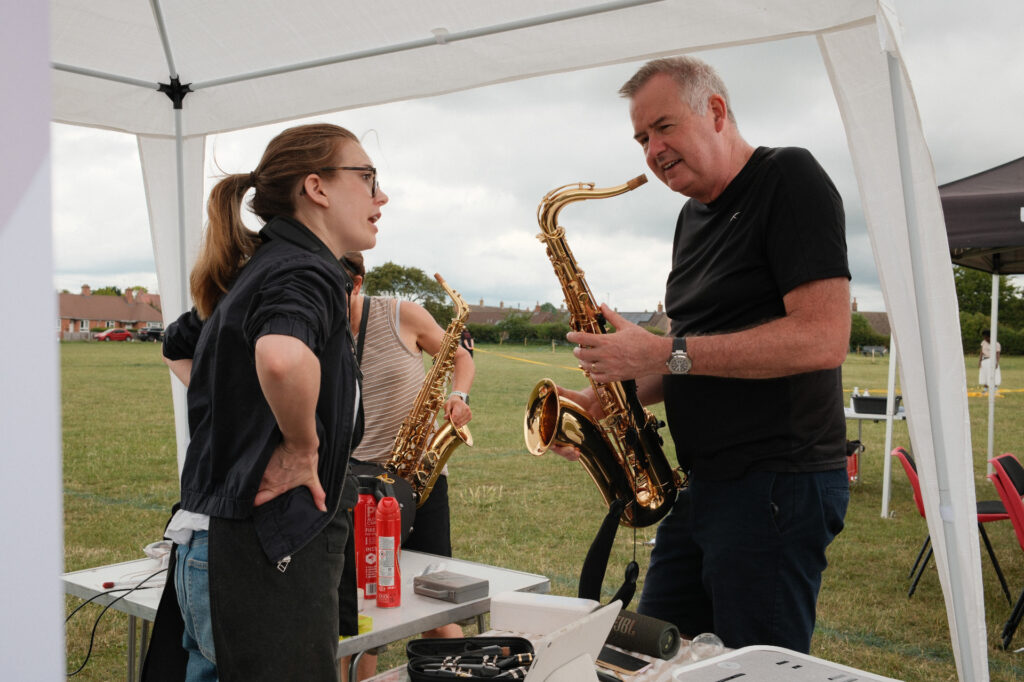
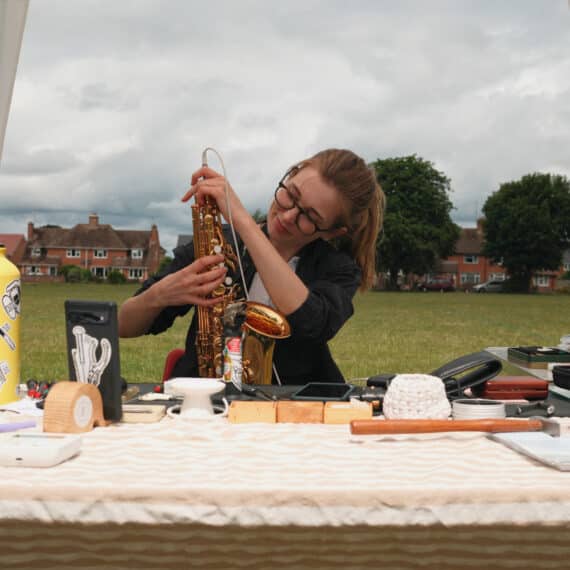
Fast forward to SaxoFest. I struck up a conversation with the saxophone repairer, Sun Hellerud, who had a stall. She kindly offered to take a look at my tenor, and this is where the plot thickens. Sun confirmed that my eBay purchase had been a smart move. The sax was in great condition and structurally sound. Then she spotted it. A glaring issue. A mechanical crime against saxophones…
When the octave key was pressed, the small airhole on the crook, the one that should completely close for lower notes was staying partially open. Sun described it as “practically unplayable”. This was reassuring because the issue wasn’t just me, but also mildly alarming considering I had been playing it for years.
The Issue
EXPLAINED BY AN AMATEUR MUSICIAN
I learned that the octave mechanism works like a seesaw. When playing lower notes, the pad on the neck must close fully. Mine was not. Mine was behaving like a seesaw with someone sat on one end.
EXPLAINED BY A PROFESSIONAL INSTRUMENT REPAIRER
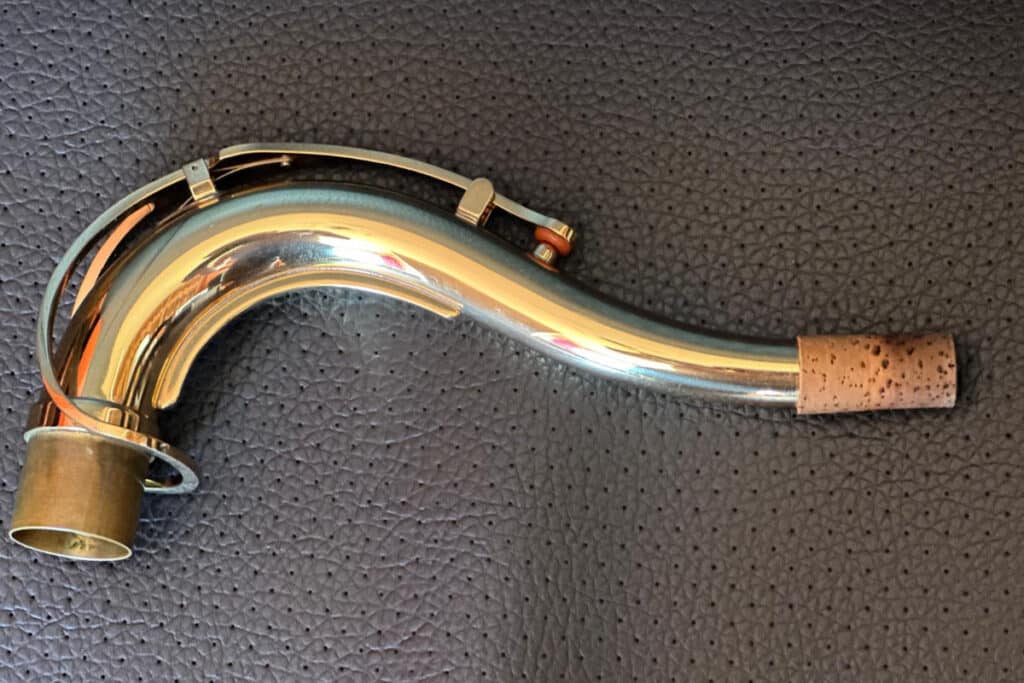
Sun Hellerud explains the following: “The octave mechanism is in reality the most complicated mechanism on a saxophone and can very easily malfunction. Over the years many manufacturers have tried to solve this issue, but they have at least settled on one thing: the crook key (on the neck of the instrument) should only be open when playing the upper octave A and any notes above the A. As soon as you press the G key (while holding the octave lever down) the crook key should close fully and the second octave key, further down the horn, should open.
The mechanism is indeed a seesaw: either the crook key or the second octave key should be open when the octave thumb lever is pressed. The crook key on Kevin’s saxophone was open all the time, even when the octave lever was not pressed. In other words, the saxophone was trying to play the upper octave constantly, making it near impossible for Kevin to play low notes. I felt bad for both the saxophone and the player!

The crook key was slightly bent, an extremely common issue which usually happens when assembling the sax. This is particularly common with new Tenor saxophone players because the thin crook key is much longer than on the other saxes, and players can easily grip the larger neck too hard as it allows more of their hand to wrap around it.
You can learn to identify and fix this issue yourself with very little training, or speak to your local repairer for some tips next time you’re booked in for a service.”
The Fix
Was there a quick fix? Absolutely. With expert precision, Sun gently bent the ring around the crook so that it no longer touched the pin when my thumb was off the octave key. A tiny adjustment. A microscopic tweak. A game‑changing moment!
The difference from that expert adjustment was immediate. My tenor suddenly sounded like a tenor. The middle D behaved. The low notes emerged without protest. Even the local dogs ceased their howling, presumably relieved that Careless Whisper no longer resembled a distress signal.
Conclusion
My “unplayable” sax is now very much playable. Any remaining squeaks have returned to being my responsibility rather than the saxophone’s. The middle D is no longer a gamble and I have learned a valuable lesson; sometimes it really is the tool, not the workman — although the workman still needs to practise!
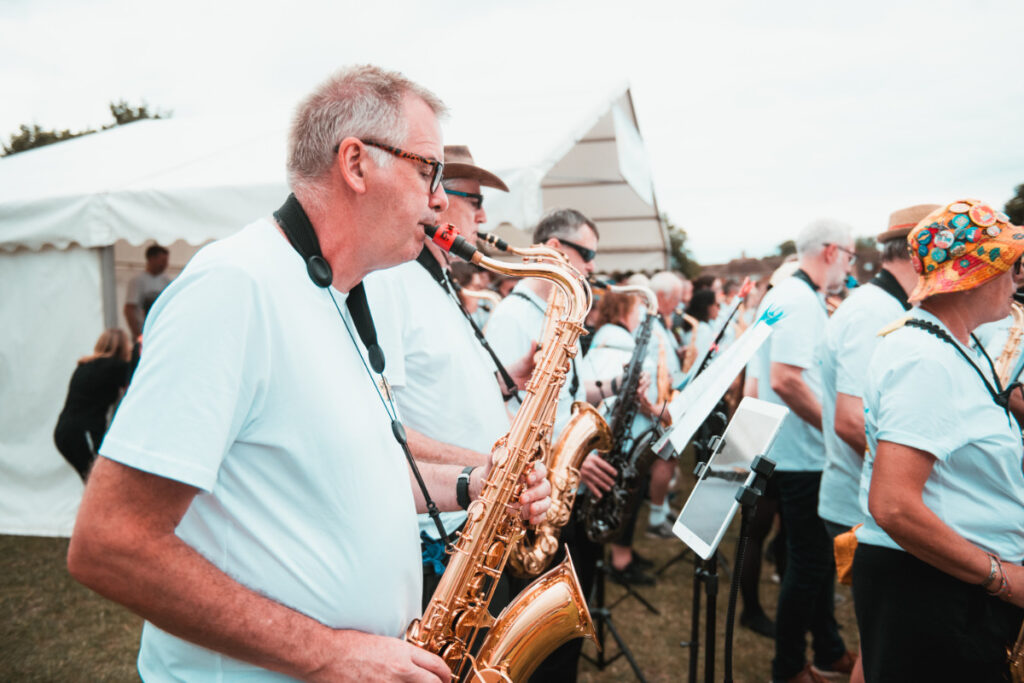
Following our interaction, Sun suggested that she could make the sax feel and sound even better with a further full service, so I enthusiastically booked it in for some TLC! I will follow up after the service to share her process and findings.



Leave a Comment