
We’ve spoken to a number of professional saxophonists who regularly travel internationally to understand the best way to fly with your saxophone. While there are a few grey areas, there are also some tried-and-tested approaches that musicians use all the time.

Airlines & Cabin Luggage
British Airways and easyJet tend to have the most accommodating policies for musical instruments. You can refer to the airline policies here: BA / easyJet
Alto saxophones can usually be taken on board as cabin baggage and stored in the overhead locker with relative ease. Tenor saxophones are a little more of a grey area, as they often don’t meet official cabin size guidelines. That said, many musicians travel with them in the cabin without issue.
With some lower-cost airlines such as Ryanair or Vueling, policies can be less lenient. In these cases, it can sometimes work out more cost-effective to buy a seat for your saxophone, which guarantees it stays in the cabin.
Embrace the Bandit Mentality
Take a relaxed and confident approach when travelling with your saxophone. As a general rule, keep your saxophone in a compact case and treat it like normal hand luggage.
Try not to draw unnecessary attention to your instrument at check-in. If you are questioned, respond calmly and confidently. Explain that customer services advised they would show leniency due to the instrument’s value and vulnerability, or you can reference the airline’s own guidance.
For example, British Airways states:
“We’ll make every effort to find space in the cabin for musical instruments within the above dimensions, as we know extreme temperatures and extra handling may cause damage in the hold.”
If there is an issue, the most likely outcome is that your instrument will be taken at the gate and placed in the hold separately. This is often handled with more care and returned to you at the aircraft door on arrival (similar to pushchairs).
Across all the musicians we’ve spoken to, it’s extremely rare for anyone to be refused travel with their instrument. A good rule of thumb: stay relaxed, be polite, and don’t overthink it. Airline staff are used to dealing with musical instruments and will usually do their best to help.

Photo by @futurejoymusic
Protective Cases
For travelling, we recommend a hard-shell, moulded case to properly protect your saxophone. There are several options designed for minimum size and maximum protection – here are some of our recommendations. (Remember, Sax Bandits members can get an exclusive discount at Dawkes Music).
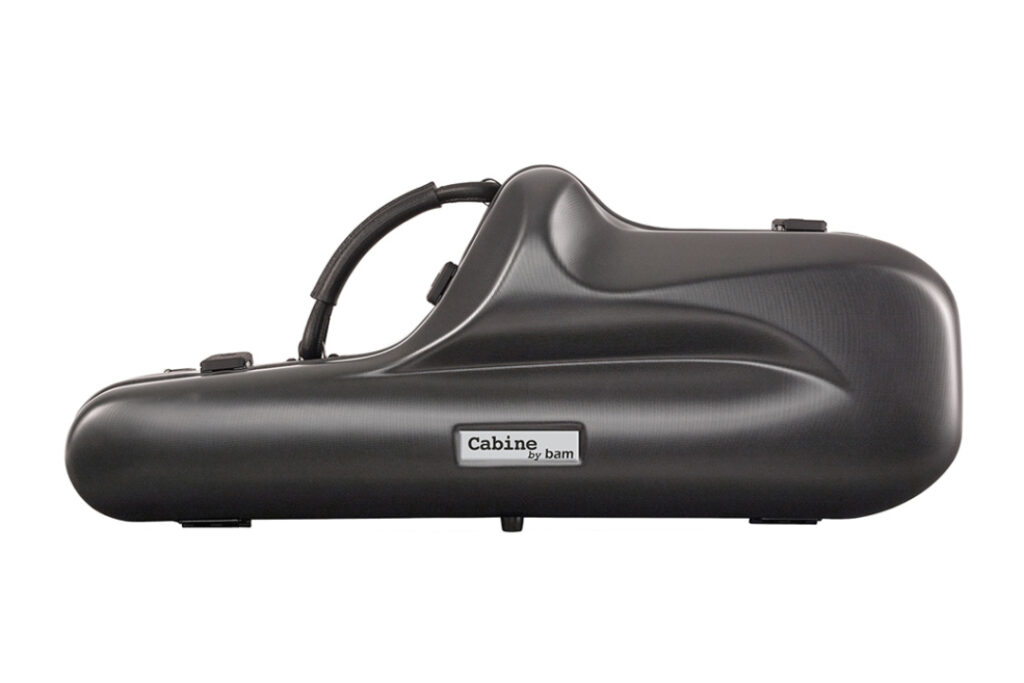
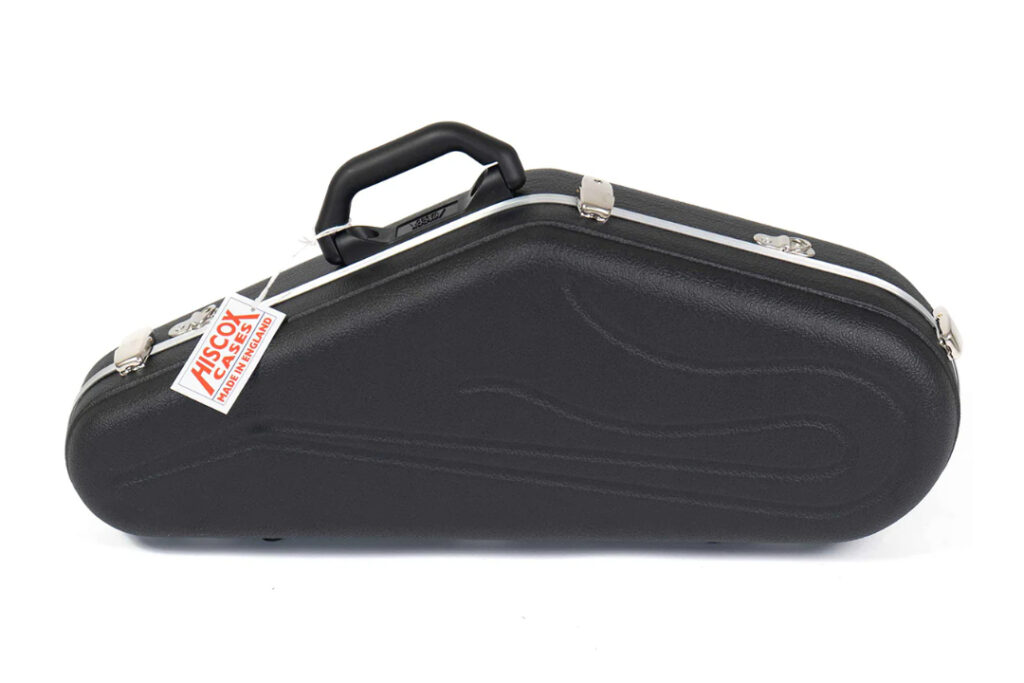
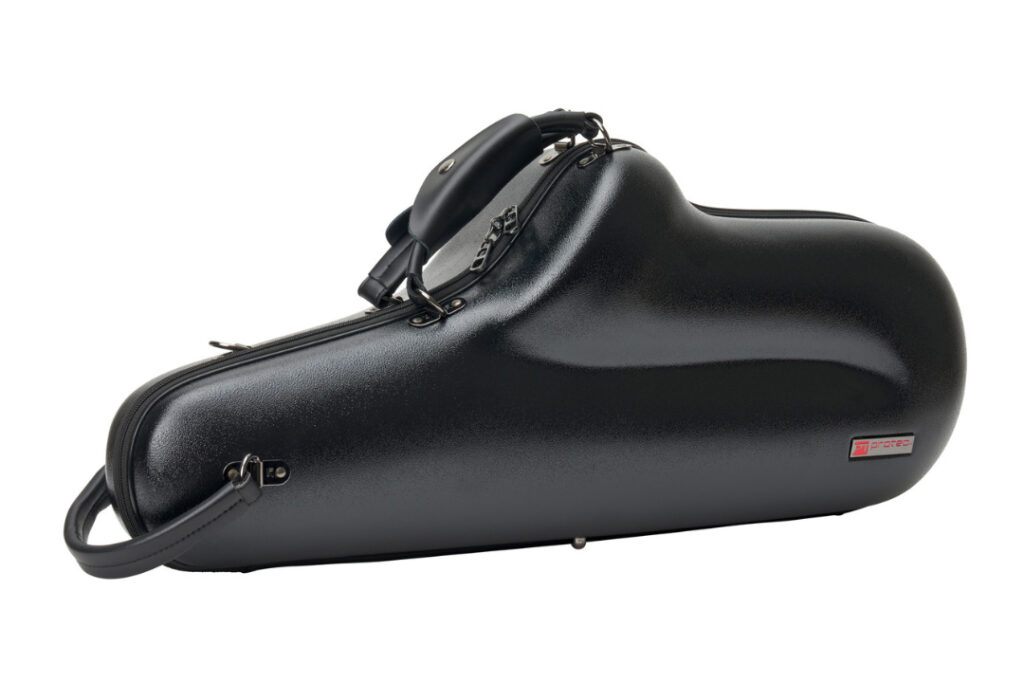
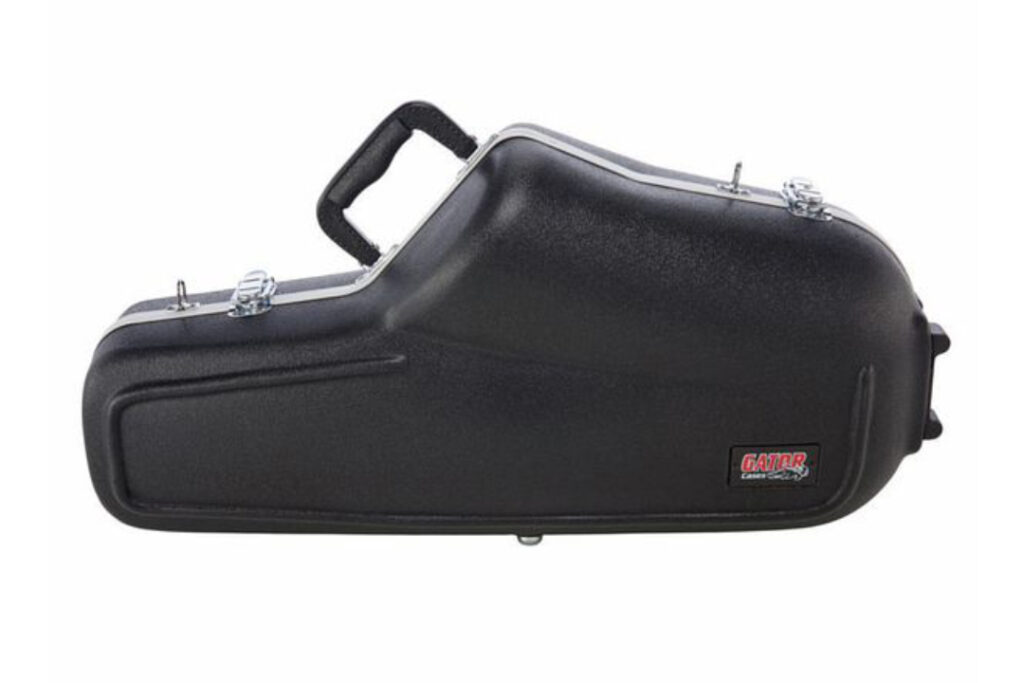
All saxophones vary slightly in shape and size (especially vintage models), so make sure your instrument fits snugly inside the case. If there’s any movement, a tea towel can help keep it secure during travel.
For added peace of mind, consider placing an Apple AirTag (or similar tracker) inside your case.
Finally, make sure your saxophone is insured for international travel, including any valuable accessories such as mouthpieces. You can check your existing home insurance or look into specialist musical instrument cover from insurance companies such as Adler Fairways.